


Damage to the neck joints or spinal cartilage can make life very complicated.When cervical osteochondrosis occurs, many sports are impossible because severe physical exertion can lead to complications.However, you shouldn't panic prematurely, as osteochondrosis is not a death sentence, and there are many exercises at home that can easily relieve symptoms and even cope with the disease.
Physical exercise options
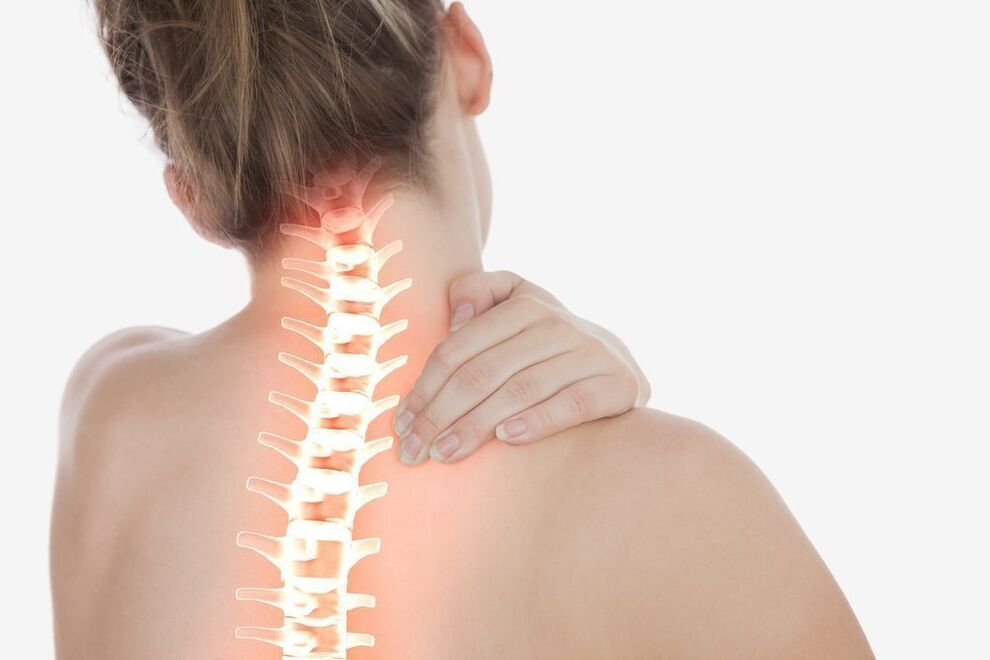
With cervical osteochondrosis, you need to strengthen your muscles, which will partially relieve the load on the spine and improve blood circulation.Regular practice of beneficial effects on the neck muscles with the help of a set of exercises written by professionals can significantly relieve the symptoms of the disease.
If a health problem arises, the first step in preparing to exercise at home should be to see your doctor.He will conduct an examination, after which he will be able to tell you which physical activities are not suitable for you and which ones can ease the course of the disease and even help cope with it.
You should not delay contacting a medical provider, since it is much easier to get rid of the disease in its early stages.And you should not choose physical exercise without contacting a specialist, since in the case of osteochondrosis, self-treatment with the help of fitness not only does not relieve the condition, but aggravates it.
In the meantime, your doctor can provide you with a comprehensive range of physical exercises for your neck problems and show you how to perform them correctly for best results.It is important to note that despite its apparent simplicity, all elements of the proposed exercise therapy contribute to improved health.
Working out at home: training rules and goals

Exercising correctly and regularly at home can help significantly improve your health.First, this occurs due to increased blood flow and accelerated metabolism.And spinal muscles that are always in good condition will not allow osteochondrosis to progress further.As a result, the pain will disappear, and if you don't stop exercising, the pain will disappear forever.
To expedite positive results, heed the following tips:
- Only regular physical exercise can help get rid of health problems.Sedentary jobs are one reason to pay extra attention to them.
- It is recommended to stretch the back and neck muscles 8-10 times during the day.This can be a self-massage or just a walk.
- Control your posture, don't slouch, try to keep your back straight and your head in a straight line throughout the day.This will allow you to distribute the load evenly throughout your body, maintain good health, and most likely avoid the need for regular therapeutic exercises.
- Try to avoid sleeping on your stomach - this will prevent swelling of your neck muscles and significantly improve your morning health.
- Water helps maintain muscle tone throughout the body, so don’t neglect your daily intake.Dehydration will only make this disease worse.
When exercising at home, keep your movements smooth and don't jerk or change your range of motion.Take classes in a room where nothing impedes your movement.Sportswear should also provide complete freedom when performing physical exercises.Try to vary your exercise routine without overloading your muscles.
Most importantly: If your medical condition worsens during exercise or gymnastics, stop the activity immediately and consult a doctor as soon as possible.Any advice given by an expert must be followed to the full without question.
Best fitness exercises for cervical osteochondrosis

If your blood pressure is high, your spine has been injured, or you've been diagnosed with cancer, it's best not to risk your health by doing the exercises listed below.
Starting position: Feet shoulder-width apart, hands on waist, back straight, shoulders turned.
- Turn your head, without tilting it, first to one side and then to the other.
- Tilt your head to the right, trying to bring your ear to your shoulder, then return to the starting position and repeat the tilt in the other direction.
- Tilt your head forward.After touching your chin to your chest, rotate slightly, first in one direction, then the other, and then return to the starting position.
- Alternately lean your body to the right, forward and left.
- Place your hands on your shoulders and use your arms to perform a rotational motion, first forward and then in the opposite direction.
Each exercise must be repeated at least ten times.It is recommended to do the first exercise in the morning after getting up and then it is recommended to repeat it several times throughout the day.
There are also several simple ways to restore blood circulation in the neck without interrupting the working process.You will need to repeat these exercises twice with each hand.
- Keeping your back straight, place your palms on your forehead, tense your neck muscles, and press down.
- Place your palms on the back of your head, then press your head into your palms and try to mobilize your neck muscles.
- Place your palms on your neck, lift your chin slightly, and gently press the muscles with your fingers.Then release the pressure, turn your head slightly to one side, and press again.
By regularly performing the recommended exercise therapy exercises, within a few weeks you will achieve the following results:
- Nagging headaches will disappear;
- Brain activity increases;
- The pressure will return to normal;
- The feeling of stiffness in the cervical spine will disappear.
This is all thanks to the systematic tightening and stretching of the neck muscles, which increases muscle tone and improves blood circulation.The main thing is not to stop paying attention to exercise after the symptoms of the disease disappear.